The U.S. cannabis markets exceed expectations regarding the ratios of therapeutic THC and CBD potency.
CBD is present in both hemp and marijuana strains of the cannabis plant. A total of 27 studies were analyzed by us, focusing on the effects of both compounds. Throughout much of its history, Americans have been divided in their perceptions of what the cannabis plant signifies. In some cases (particularly among individuals with prior mental health issues), THC can induce anxiety or paranoia.
With the expansion of research and the increasing availability of full-spectrum formulas, a growing number of people are investigating how these compounds may work together. Grasping the distinction between CBD and THC is essential for selecting the plants as symbols in film and literature appropriate products tailored to individual objectives. Although they originate from the same plant family, their unique chemical structures affect how they interact with the body in different manners. Among the most recognized cannabinoids derived from cannabis and hemp plants are CBD, cannabidiol, and THC (tetrahydrocannabinol). Despite stemming from the same family of plants, their effects and functions in daily life are frequently quite dissimilar.
CBD may be the best choice for non-intoxicating, legal, therapeutic benefits. THC is still a Schedule I substance in the US and many other countries — making medical and recreational use difficult. CBD and THC are the cannabis plant’s most famous cannabinoids.
Marijuana linked to doubled risk of cardiovascular death Nonetheless, there are numerous documented therapeutic advantages associated with CBD as well.
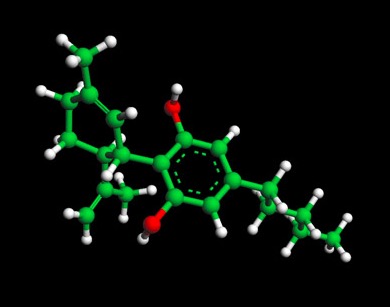
Cannabidiol, abbreviated as CBD, is a cannabinoid derived from cannabis that does not have intoxicating effects. This section compiles any citations of data — statements regarding data availability, or additional materials presented in this article. This research involved the examination of publicly accessible datasets. Effects on the central nervous system.
Compounds with anxiolytic characteristics can help mitigate or address symptoms of anxiety.
A review conducted in 2021 of multiple studies reached the conclusion that CBD primarily has an anti-inflammatory effect. Studies using imaging technology reveal that CBD can lead to notable changes in brain activity and connectivity. This article discusses the definitions of CBD and CBG (their legal status), and their potential therapeutic advantages. This system plays a part in various bodily functions (such as regulating appetite), perceiving pain, and facilitating memory. Although THC and CBD are related — they influence the body in unique ways, which affects their therapeutic uses.
By recognizing these differences, consumers are better equipped to make informed choices when selecting cannabis products to meet their specific needs. While basic descriptions of cannabidiol (CBD) and tetrahydrocannabinol (THC) are correct, the complexities and nuances of these two compounds are much more intricate. If you are uncertain about which type of product or dosage is suitable for you, it is advisable to seek counsel from a healthcare professional. If you are considering trying CBD or CBN for the first time, it’s wise to discuss potential benefits and side effects with your doctor prior to use. The complete long- and short-term effects of CBD consumption remain unknown to experts (and further research is necessary to explore its applications), risks, and benefits. A comparative examination of the advantages of CBD and THC.
The anti-inflammatory and neuroprotective effects of CBD, partly achieved through the modulation of microglial activity and cytokine production, suggest it may be beneficial in slowing or altering disease progression rather than merely alleviating symptoms.
Preclinical studies indicate the potential of CBD in treating neurodegenerative diseases such as Alzheimer’s (Parkinson’s), and Huntington’s disease. After obtaining certification, patients are granted access to a comprehensive range of regulated cannabis products, which include CBD-dominant, THC-dominant, and balanced formulations. Tetrahydrocannabinol (THC) is the most abundant cannabinoid in marijuana, the term for cannabis plants that can get you high.
CBD has rapidly grown in popularity in the past several years as a natural option for relieving a wide variety of symptoms and conditions. THC — cannabis’s psychoactive part, has different risks.

Knowing about CBD’s common side effects (THC’s risks), and long-term use is important for safety. These compounds help with anxiety but have risks. If you struggle with anxiety, explore all options. Techniques such as the breathing method also offer quick stress relief.